History and Culture
The Kiseru: Japan's Traditional Pipe
A kiseru is a traditional Japanese tobacco pipe, usually 15 to 25 cm long, with a small metal bowl and mouthpiece joined by a stem; it is filled with kizami, a hair-fine shredded tobacco, and smoked in just a few puffs.
Updated · Cigars Asia Editorial Team
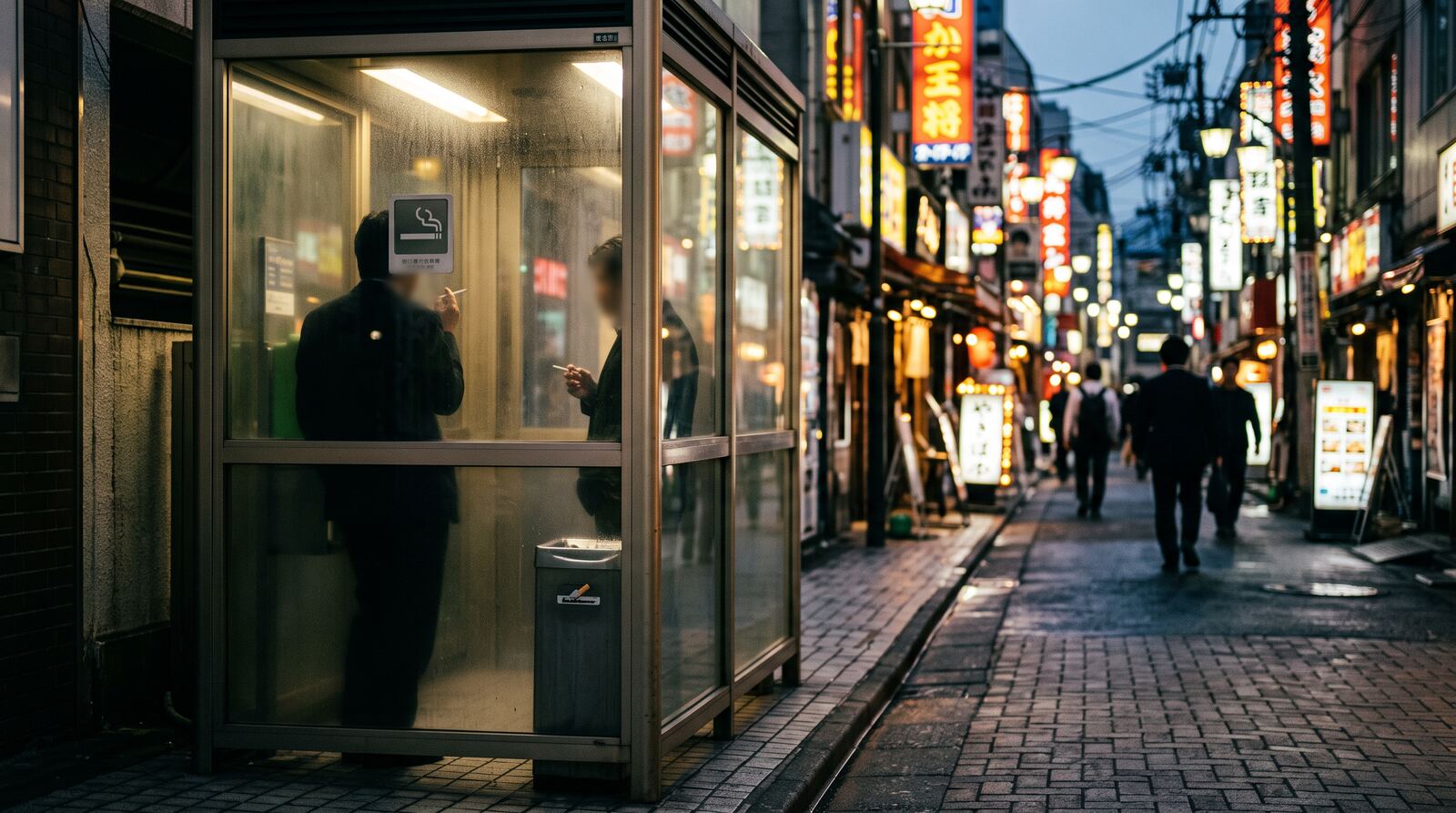
Read: Smoking in Japan →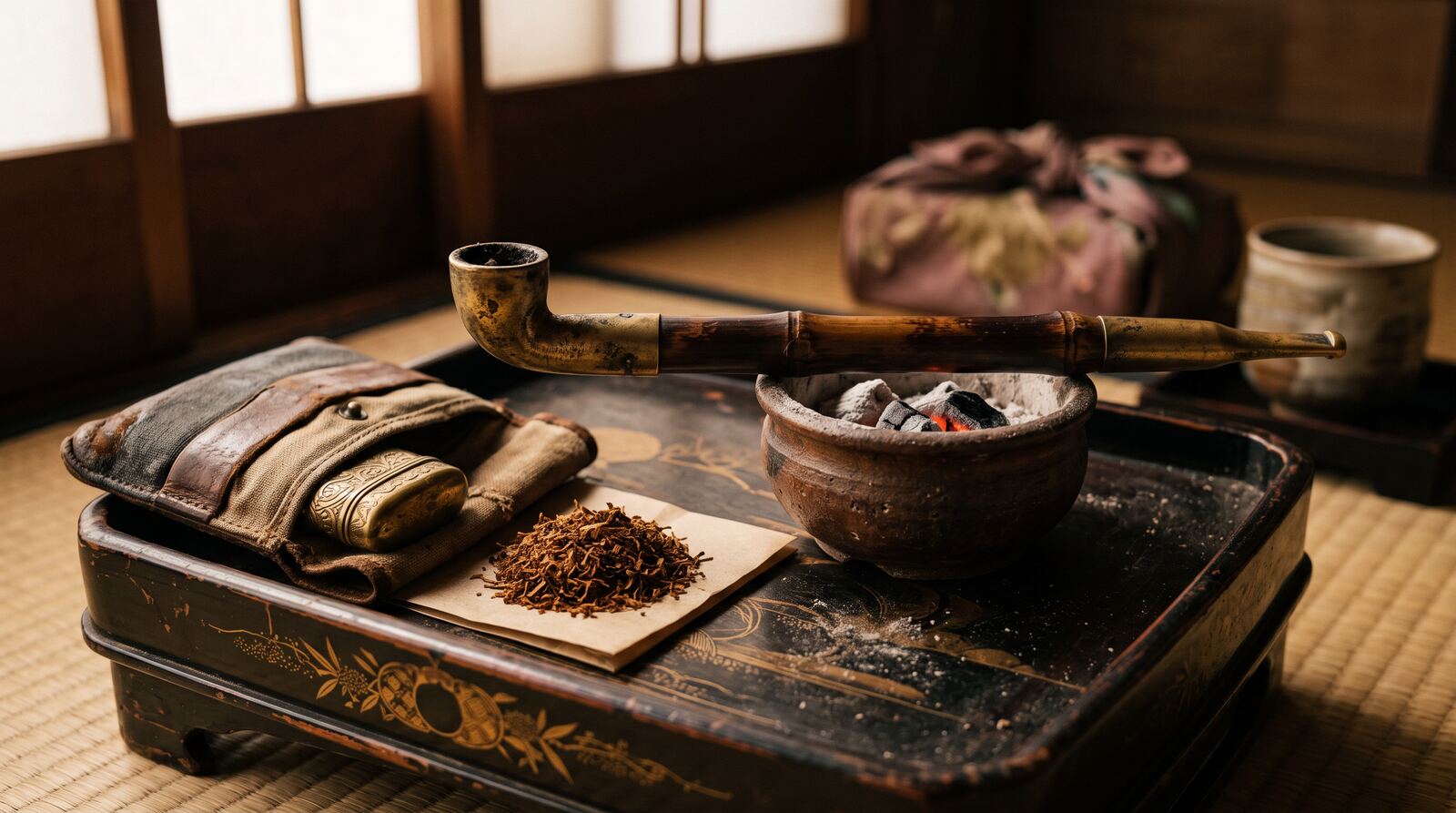
Long before cigarettes, Japan smoked from the kiseru. The slim pipe appears in woodblock prints of courtesans, samurai and townspeople, and antique kiseru are now collected as works of metalwork art. This guide explains how it is made and used.
Parts of a Kiseru
- Gankubi: the metal head and small bowl, which holds only a pinch of tobacco.
- Rau: the stem, traditionally bamboo. The name is often traced to Laos, an early source of the bamboo.
- Suikuchi: the metal mouthpiece.
A kiseru made of three parts is called a rau kiseru. One made from a single piece of metal is a nobe kiseru. Fine examples are made of brass, copper or silver and decorated with engraving or inlay.
Kizami Tobacco
The kiseru is smoked with kizami, tobacco shredded so finely it resembles hair. A small pinch is rolled into a ball, placed in the bowl and lit, and it burns out in a few puffs. The smoker then taps out the ash and refills. Because each bowl is so small, kiseru smoking is a short, deliberate ritual rather than a long smoke.
The Edo Period
Tobacco was known in Japan from the 1570s at the earliest, brought by Portuguese traders. During the Edo period (1603 to 1868) smoking spread among samurai and townspeople (chōnin). Expensive imported tobacco and finely worked pipes made the kiseru a status symbol. Smokers carried it in a case called a kiseruzutsu, often with a tobacco pouch hung from the sash by a carved toggle (netsuke).
The Tobacco Tray
At home, smokers used a tabako-bon, a tray holding an ember pot (hi-ire) for lighting and an ash container. The set borrowed from the etiquette of incense appreciation (kōdō).
The Kenka Kiseru
Some kiseru were made heavier on purpose. The kenka kiseru ("fighting pipe"), 30 to 45 cm long and made of iron or brass, could double as a club, and was associated with gamblers and street toughs. Samurai sometimes carried a long pipe that could be worn in the sash.
The Kiseru Today
Cigarettes replaced the kiseru from the Meiji era onward, but it is still made by a few craftsmen and used at festivals, in theatre and by hobbyists. Antique pipes are popular with collectors worldwide. For today's rules, see smoking in Japan.
Frequently Asked Questions
What is a kiseru?
A traditional Japanese long-stemmed pipe with a small metal bowl and mouthpiece, used to smoke finely shredded tobacco.
What tobacco is used in a kiseru?
Kizami, a very finely shredded tobacco that resembles hair.
How long is a kiseru?
Usually about 15 to 25 cm (6 to 10 inches); fighting pipes were longer.
What are the parts of a kiseru?
The gankubi (bowl), the rau (stem) and the suikuchi (mouthpiece).
What is a kenka kiseru?
A heavy iron or brass fighting pipe that could be used as a weapon.